Nathan Hellard of Maison Hellard on Exquisite Linen
A conversation on Normandy flax, dyeing yarns in-house, and crafting linen for every season
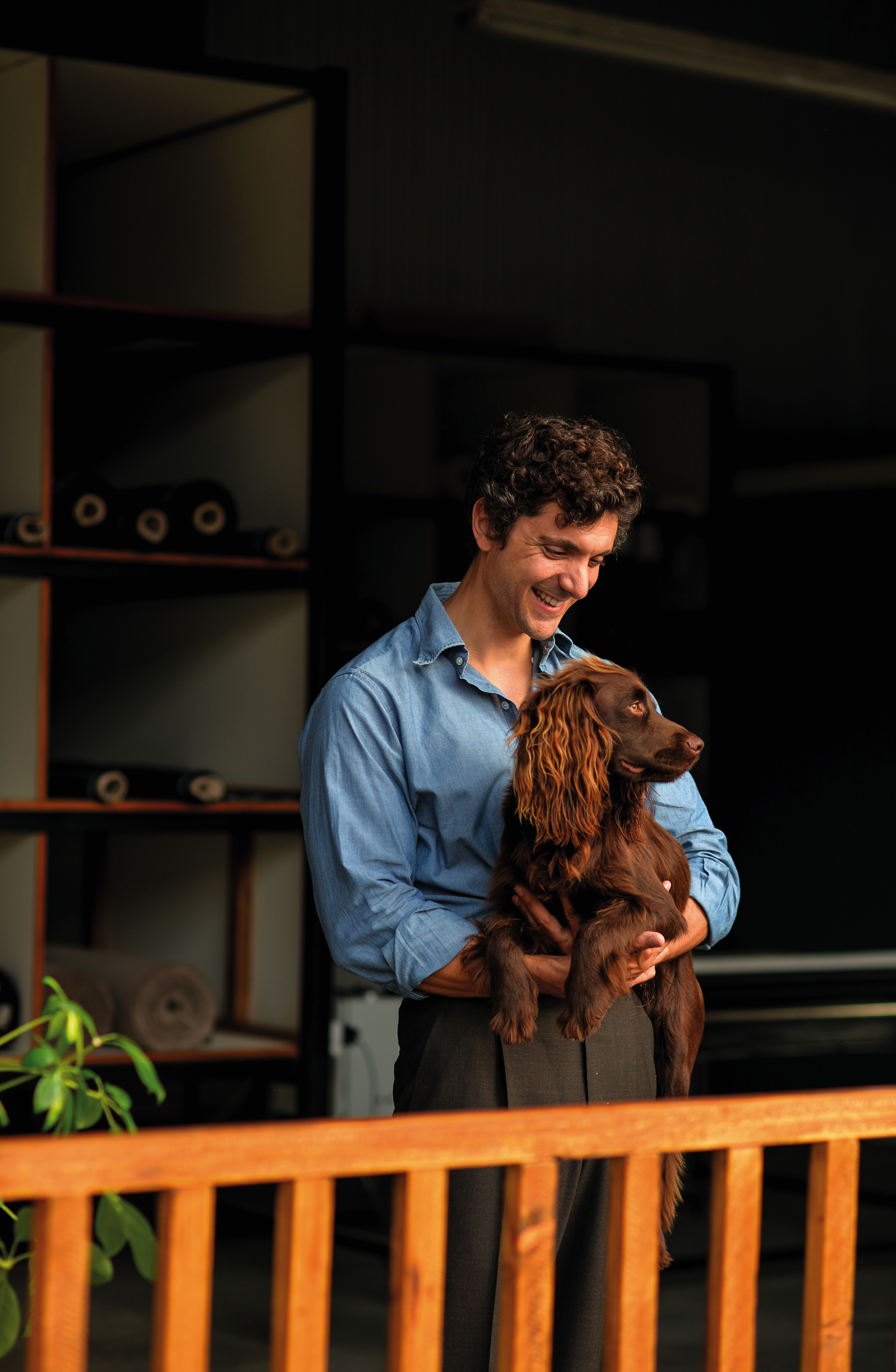
Nathan Hellard leads Maison Hellard, a linen specialist grounded in the flax fields of Northern France and the mills of Italy. We sat down to talk about the military roots of his personal taste, the resurgence of French linen, and why a slower, more intentional process produces cloth with enduring character.
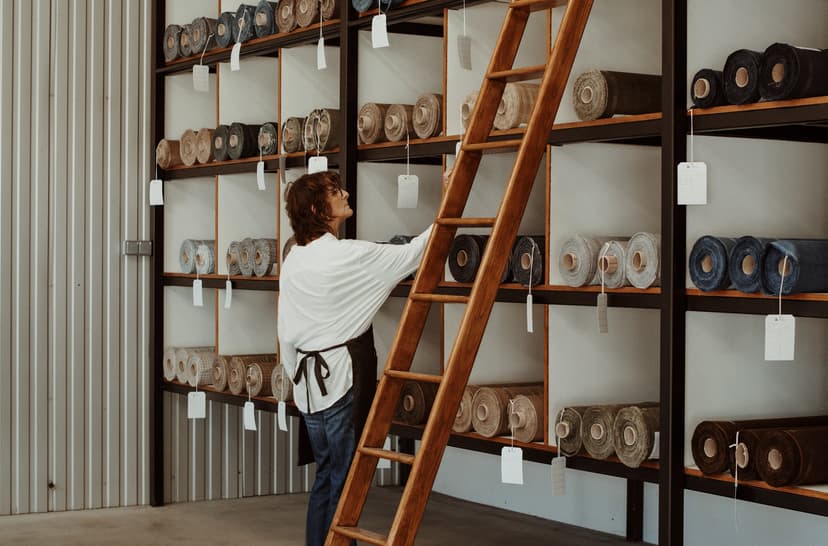
O.W. Root: Can you tell us a bit about your background and how you found your way to the business of fine fabric?
Nathan Hellard: I was an officer in the French army, so nothing at first suggested I would enter this industry. But the more I reflect on it, the more I believe that both the military aesthetic and the lack of freedom in how one could dress helped shape a genuine passion. I would not call myself a flamboyantly dressed person, but I do have a personal taste that I could not easily find elsewhere. Maison Hellard became the opportunity to express it.
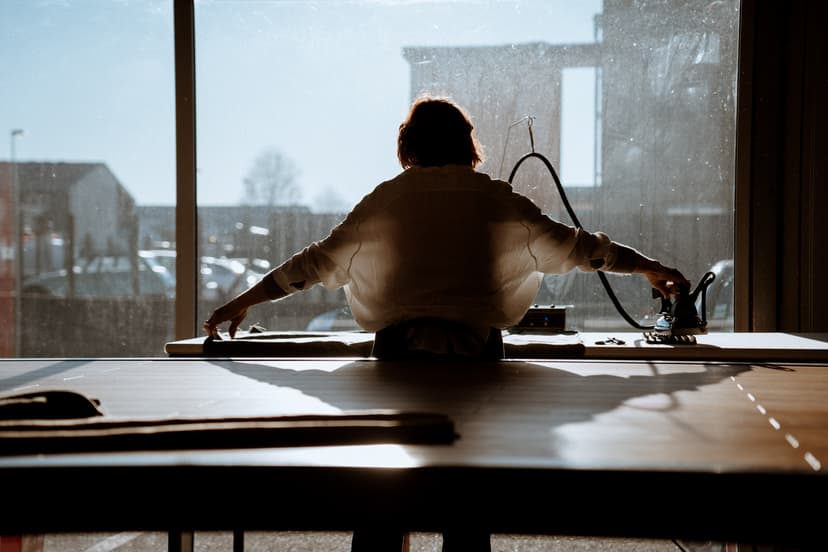
OWR: What drew you to linen in particular?
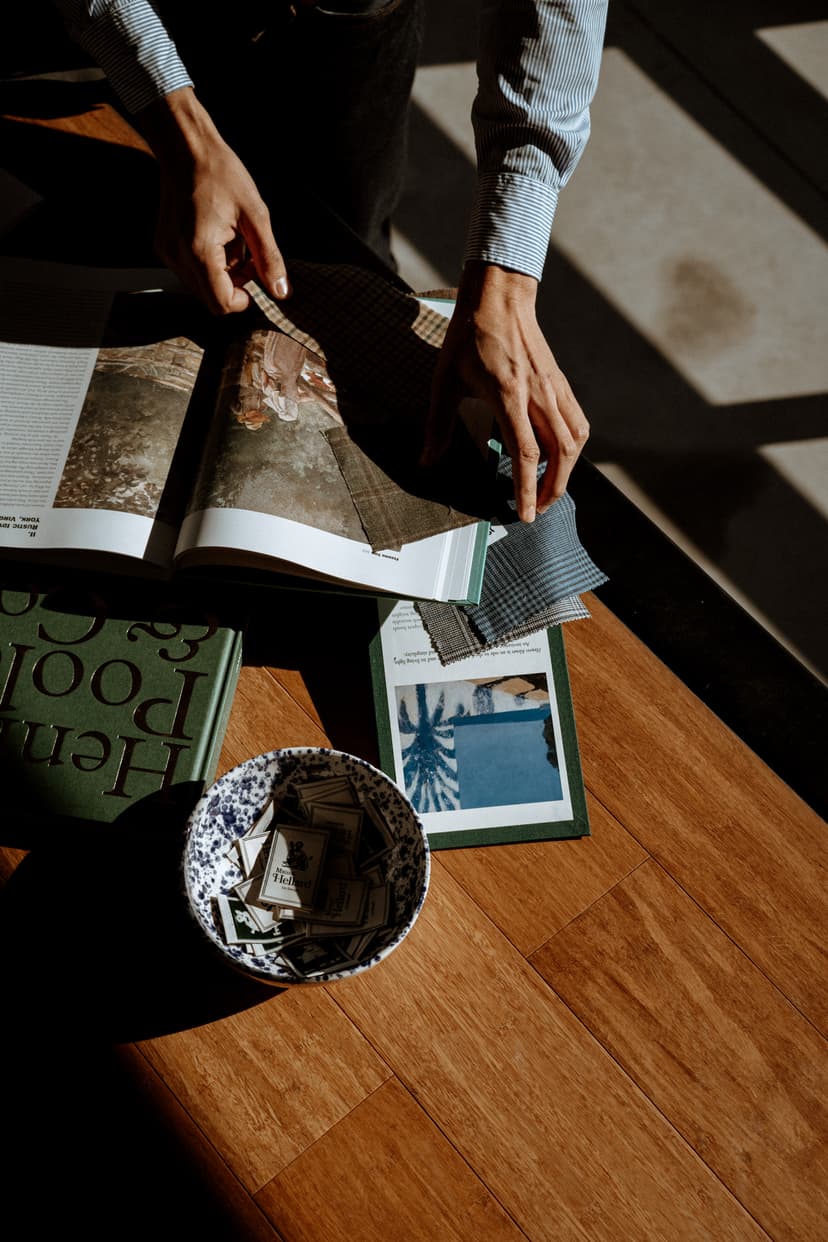
NH: Linen is very much a love or hate fabric. When I worked for Scabal and Zegna, I remember the limited palette and handle on offer. But I once came across a photograph in one of Simon Crompton's books, showing a vintage cloth, and it made me realize that linen could offer much more. It is also a very French raw material, and although I am not one to wave colors for marketing purposes, I feel a genuine attachment to the know-how of our farmers, having grown up in a rural area myself. There is something almost magical in seeing a plant transformed into garments, somehow more special than it is with wool.
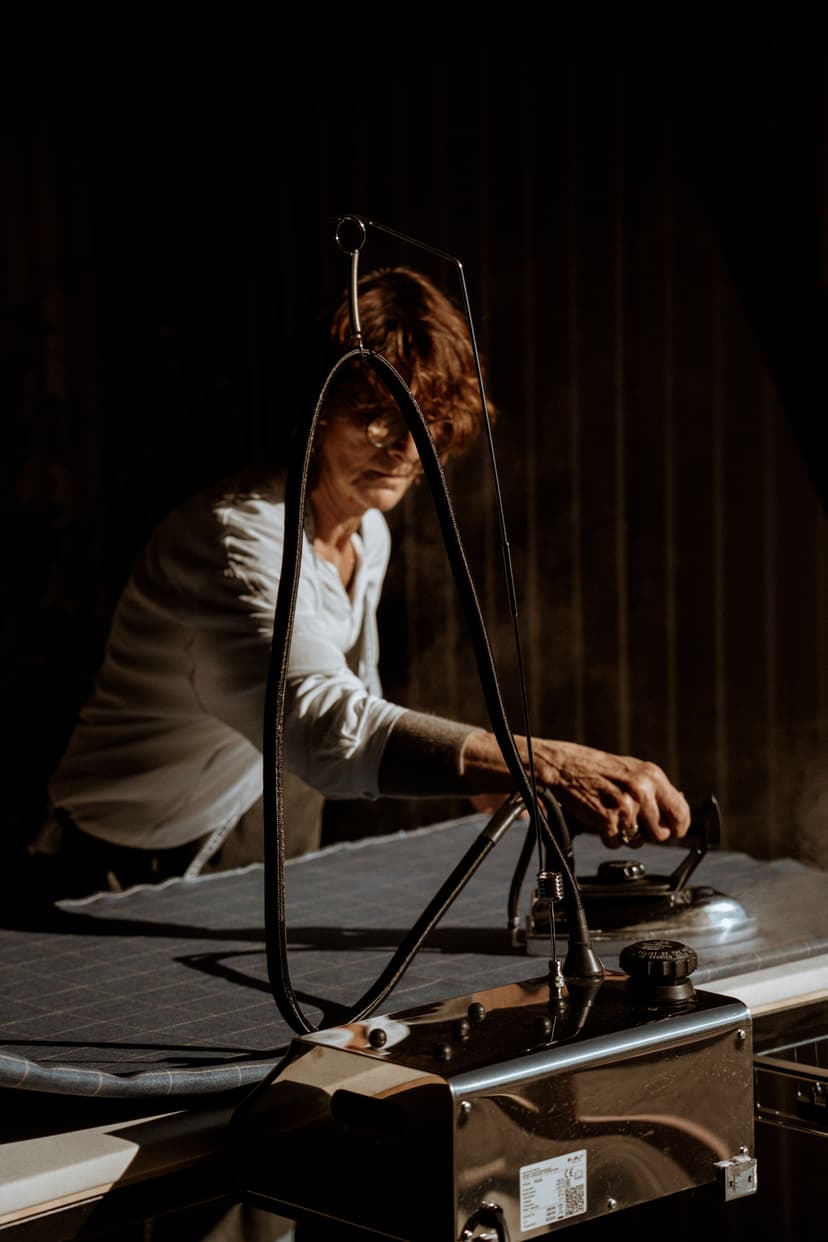
OWR: What makes linen so special?
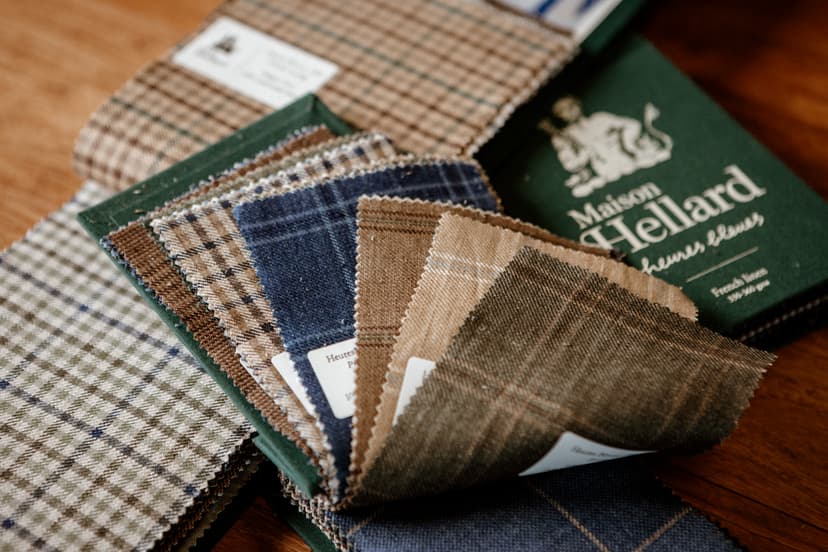
NH: To give a personal answer far from the casual style or technicalities, linen represents a world of opportunities. Linen has been confined to flashy colors for a long time, seen almost as a Riviera cloth, at least here in France. By dyeing our own yarns in more masculine, even military tones, and by developing exclusive designs, we are able to propose something a bit different. A little tweedy, as I like to say, but with a twist: somewhere between the conservative English approach and the flamboyant Italian one. In a sense, it is about finding a French aesthetic, or at the very least, our own.
OWR: Many of us tend to think about linen as a summer fabric. Is that wrong of us? Why do you think it has that reputation?
NH: Linen used to be worn year-round, for underwear, shirting, and more. Modern interpretations, however, have restricted it to a niche summer use, largely because of the dominance of cotton. In truth, it all depends on how you work it. We develop different weights, blends, and finishes, and while linen will never be an all-season cloth like wool, some of our heavier fabrics and more classic patterns can easily be worn in autumn. The creases also play a role: they bring a casual character that makes linen feel natural in summer, when people are less formal and more inclined towards relaxed ways of dressing. Yet with the decline of the suit-and-tie uniform and the rise of more individual ensembles, I think this perception is beginning to evolve.
OWR: What makes a cool weather linen different than a warm weather linen?
NH: Weight, weave density, and finishing. Every mill has its secret recipe. We have developed our linen to be soft and breathable, yet with substantial body, ranging from 330 to 410 gms. The density of the weave directly affects its breathability, and thus the way the fabric feels on the skin.
OWR: When it comes to producing linen, what does that process look like? How long does it take from start to finish?
NH: It is a tough question. For us, everything starts with the farmers in the north of France, where linen, also known as the blue gold of Normandy, is grown and initially processed before being spun and then woven in Italy. The quality depends heavily on the weather, and the traditional methods of transformation give the fiber its exceptional character. From there, we add our own touch: dyeing the yarns in our colors, creating exclusive designs, and overseeing the weaving. I cannot answer more precisely, but I can safely say that it requires patience.
OWR: Your linen comes from Normandy. What role do geography, place, and climate play in the production of linen?
NH: I like to use the wine analogy: it may very well come from the same kind of grape, but never say you prefer Spanish wine when in Bordeaux. I am not a particularly technical person, but it is the combination of soil quality, seed selection, and the harsh weather of Normandy that makes French linen truly shine, along with the know-how of families who have been working this fiber for generations.
OWR: What do you love most about your work?
NH: It is a passion and a deeply personal job. We maintain a close connection with our clients, whether they are brands, tailors, or direct customers, and some of those customers have even become true friends. Keeping our business small allows us to preserve a human touch and a creative approach that is uniquely our own. My best days are those when I receive new colors or CADs. Even though it is only yarns crossing each other, there is something truly special in seeing a cloth you designed right in front of you. We will have no more than a couple collections in total, and each cloth results from a discussion with a passionate individual from our industry, making it deeply personal. Linen is a special fabric, and I hope to keep our business a family affair, working alongside friends and enthusiasts.
OWR: Who, and what, are your greatest inspirations?
NH: I tend to lean more towards British style, as it suits my countryside personality. I could mention brands like Huntsman, Anglo-Italian, or Campbell's of Beauly. Each offers a different style that fits different purposes. Yet ultimately, I am trying to propose something personal, something I would wear myself, keeping in mind something my friend Michael Hill from Drake's once told me: Enjoy dressing, it is only cloth at the end of the day.