Laura Bachmeier: The Art of Bespoke Tailoring in Milan
The founder of Vestificio tailoring house on craftsmanship, house style, and building a bespoke tailoring business
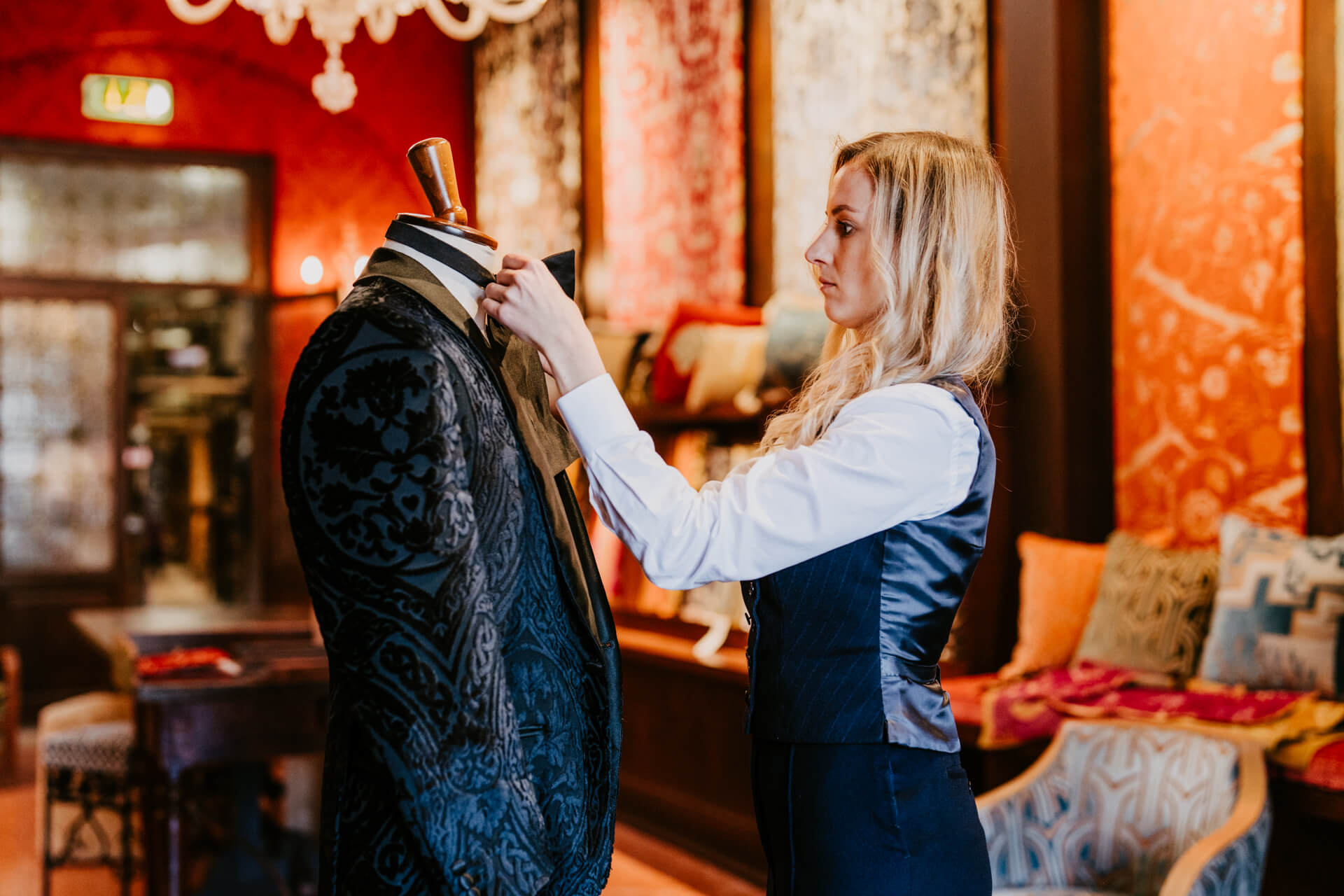
Laura Bachmeier is the founder of Vestificio tailoring house based in Milan. She sat down with us this summer to talk a bit about her approach, house style, journey in bespoke tailoring, and what inspires her in her art of bespoke tailoring.
O.W. Root: Could you tell us a little bit about your background, education, and journey in bespoke tailoring?
Laura Bachmeier: I was always interested in craftsmanship, so it was very early that I knew I wanted to become a tailor. I'm originally from Germany and we have a system of schools and education that allowed me to start doing an apprenticeship at the age of 16, and I'm really grateful for this because now I can say that I have been in tailoring for 15 years.
OWR: What were those apprenticeships like?
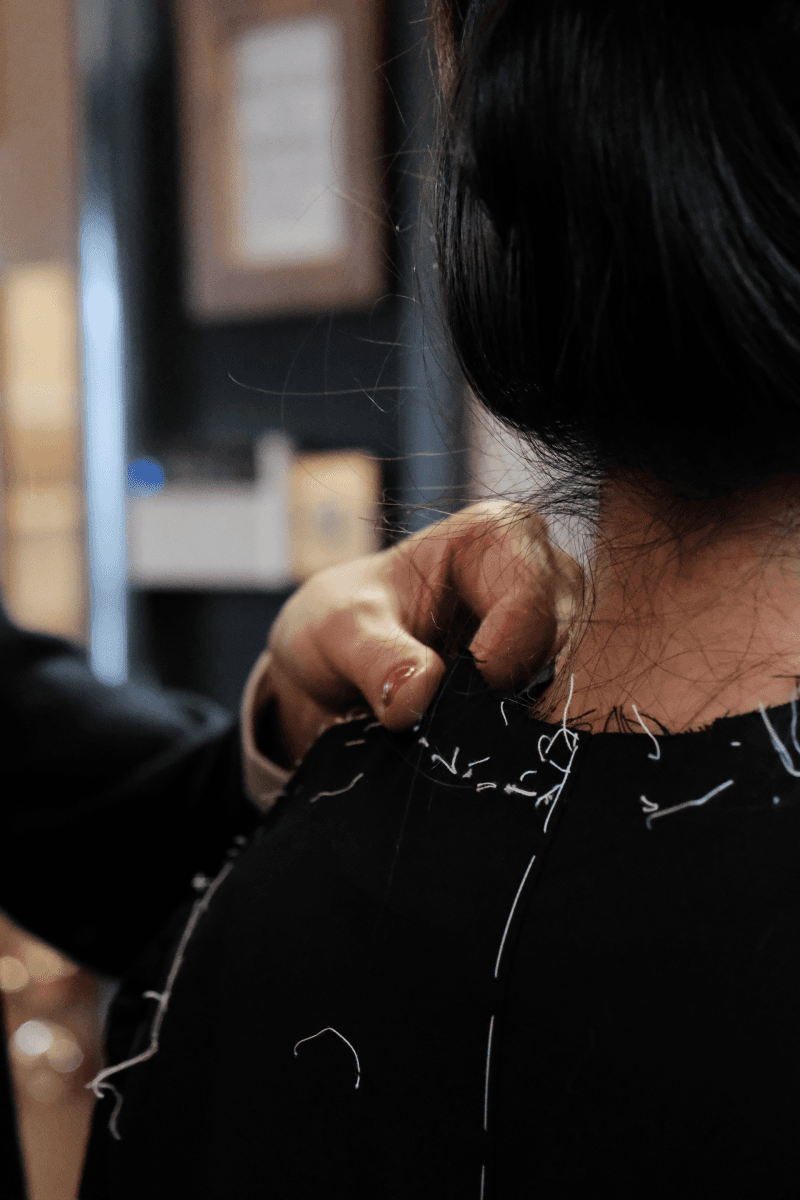
LB: First I did an apprenticeship in tailoring for women for about 3 years. But after, I thought there was more. I knew there was more craftsmanship and precision in men's tailoring, so I did another apprenticeship, and this time focused on men's tailoring and this is where I learned to make handmade bespoke suits from scratch.
Afterward, I had an internship to go abroad for 6 months and I decided to go to Milan, where I worked for a small tailoring house called Sartoria Diletto. It's there where I learned Italian tailoring techniques. After my time there I decided to to stay in Milan to further study pattern making.
After that I moved a little bit away from the classics and started working for a high fashion brand. I was still doing bespoke tailoring, but my focus was more in Couture. But then Covid happened, and I had this big desire to to get back to the roots of real bespoke tailoring, so I decided to set up Vestificio tailoring house.
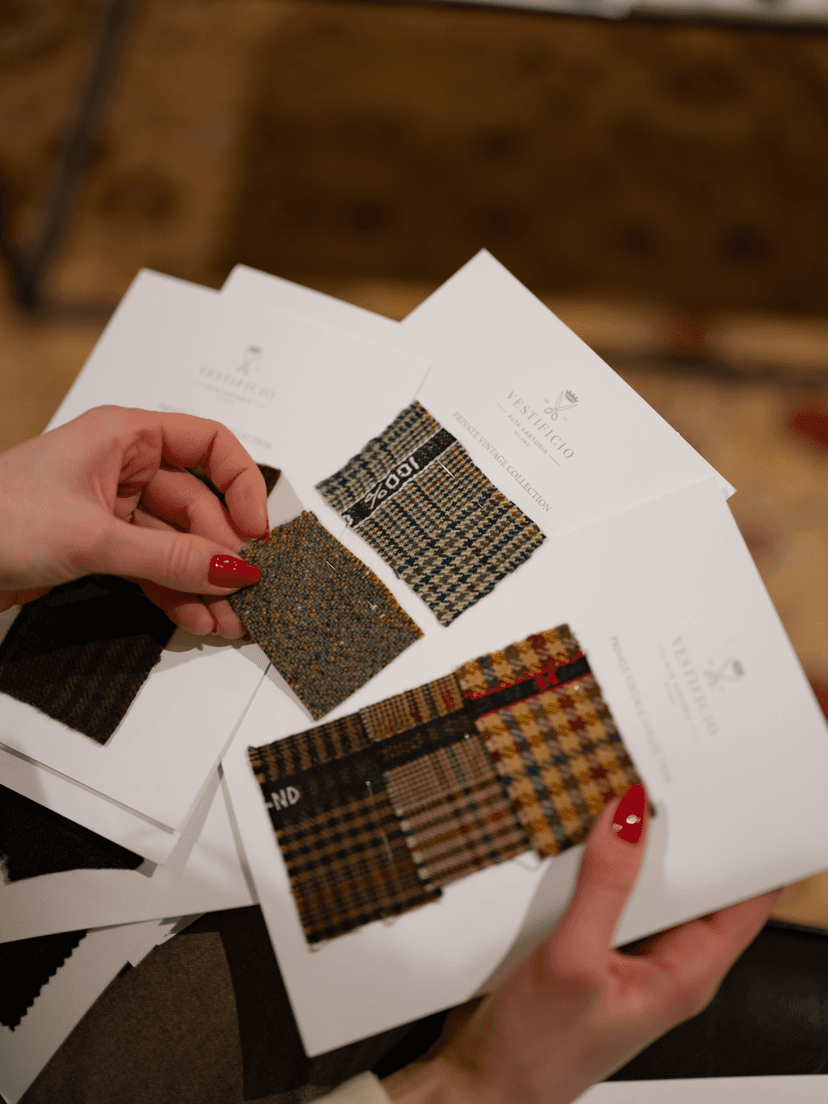
Part of my original reason, or inspiration, was because there was a tailor in Milan that I worked for as a freelancer. His name was Tindaro De Luca. He passed away in, I think, 2017, and he had a huge archive of vintage fabrics. His daughters didn't really know how to continue. They were not interested in maintaining his tailoring house, even though it was really successful at this time. So they just closed the shop, but there was this huge archive of fabric remaining. There were over over 3,000 cuts of fabric for bespoke tailoring, so I just asked them if I if I could buy it and this was the foundation of Vestificio, my tailoring house.
OWR: Wow, that's incredible. Can you tell me a little bit about running your own tailoring house? What that means to you, and what you enjoy about it?
LB: I think it's something natural for a craftsman, because this work is really something very personal. Ever since the beginning I always had the desire to build up my own tailoring house one day. It was always there somewhere, a dream. Once you take all the skills from other masters, from other tailors, you develop your own identity, and your own style.
This is where I had this strong desire to to build up my own tailoring house, to show my identity. You know, it's not easy, especially as a woman, because it's more of a male dominated business. But actually, now I see that people are also confident going to a woman.
Running your own business isn't easy, but at the same time it's a great satisfaction, especially if you can do what you love. It was the best decision I've ever made. I would add that I also enjoy the contact and relation with the clients. It's something I really enjoy about running my own tailoring house.
OWR: You offer bespoke tailoring for both men and women. It's my understanding that bespoke for women is a little less common today. Can you tell us about your decision to offer bespoke for women and how that has developed as a part of your business?
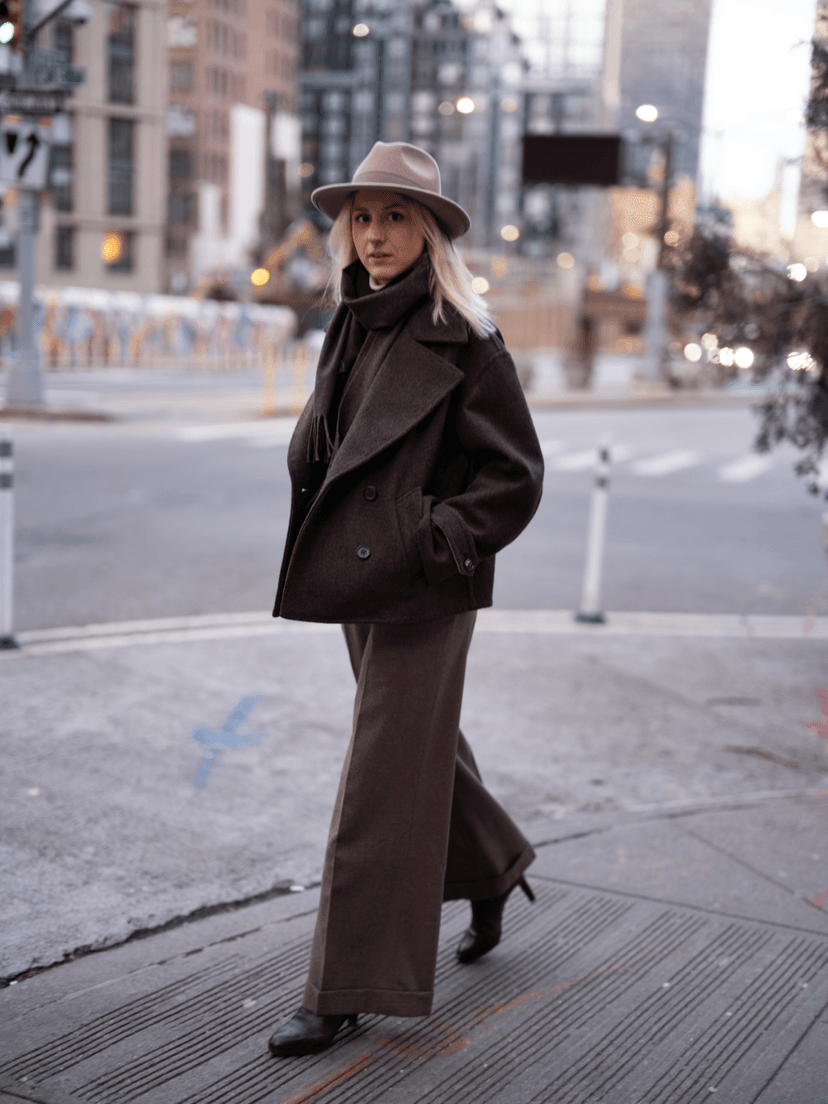
LB: I have noticed that more women are becoming interested in having long lasting items, and also having something individually made for them. Until now it was only really offered only for men, so providing this service for women is something really special. It's difficult because most tailors tend to have less experience working with female clients, and because every woman is just so different. Maybe I feel like only a woman can understand what are the points you want to focus on and what are the unique considerations for women. Also, I think women are more comfortable talking with a woman like myself when having a bespoke garment made.
I believe a bespoke suit brings with it an incredible confidence that most women have never experienced just because it's something that has just been traditionally unavailable for most of them. I feel like at the moment timeless style is coming back, and to be able to offer that to women is something I really enjoy.
OWR: You also offer bespoke clothing for dogs as well. Can you tell us a little bit about that?
LB: Yes, I do. It was originally born out of a favor I did for a friend. She had a small dog, and you know, small dogs, in winter they need to have something to wear, because otherwise they get too cold. So we chose the fabric, took the measurements, and I realized, "Oh, it's it's a bespoke coat, literally!" So, yes, I offer this service, of course. You can also have the same fabric of your bespoke suit used for your dog as well which can be very nice.
OWR: What percentage of your clients are men, women, and dogs?
LB: Dogs, I would say 1%. But women and men, it's 50/50 today.
OWR: Tell me about your process - how long does it take you to make a garment? And what's the process like?
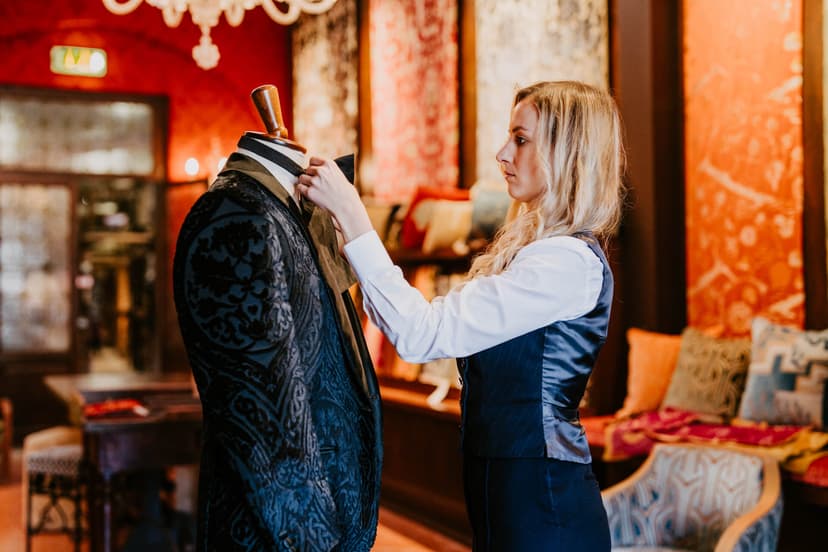
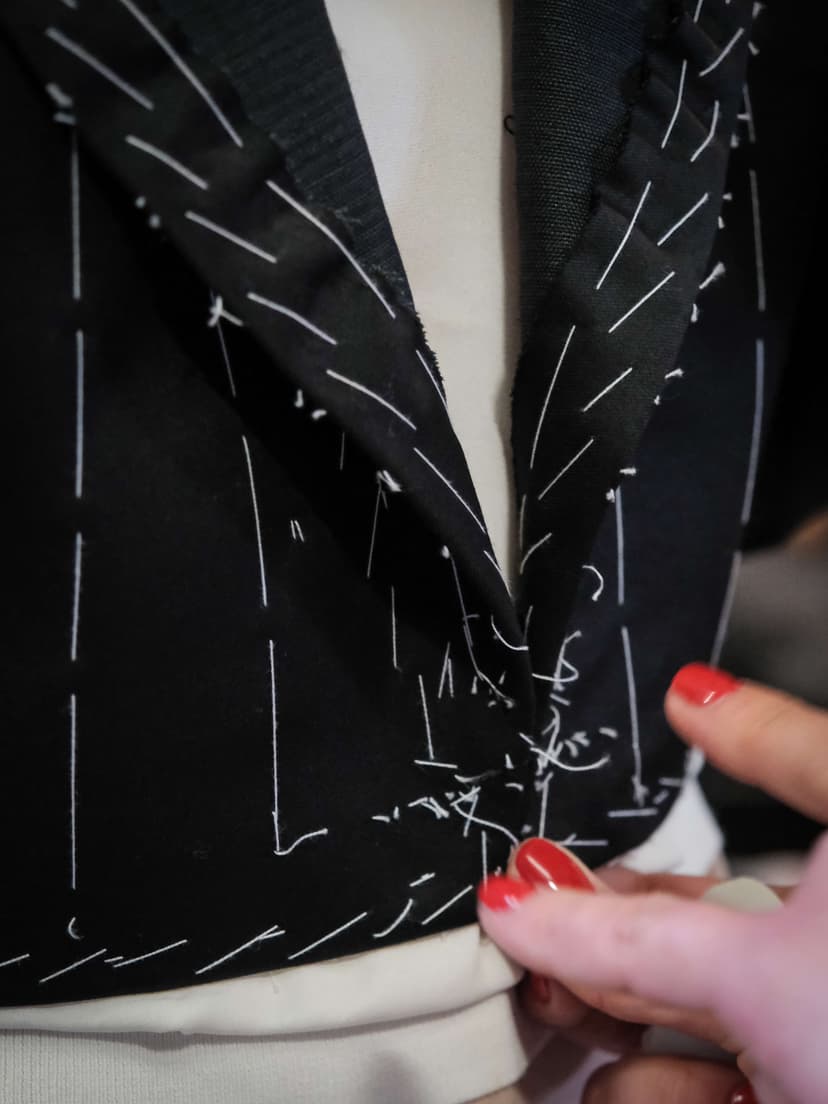
LB: A classic bespoke suit takes about 80 to 100 hours of work. I start with taking measurements, then doing the paper pattern. In the first fitting, it's very basic. It's mostly for me to see if we are going the right way. If the measurements are okay and the fit is good, then we go to the second fitting. In the second fitting we do the pockets, the facings, and the linings. From there, we move on to complete the suit. In terms of timeline, from the first time we meet until delivery, it's usually about one year for clients who live abroad, if we only meet during the trunk shows, and 6 month for clients that come to Milan.
OWR: Can you tell us about your sourcing? You started your tailoring house with an incredible stock of vintage fabric. Are you still running on that? What's your fabric sourcing like today?
LB: I'm still working with the vintage archive. The best thing about it is that if you choose a fabric from this archive you know you are choosing something you will never see again. There are fabrics from the seventies, from the eighties. Really particular colors and patterns. It's very special. If you're looking for something really unique, you should choose something from the vintage archive. Of course, I also work with the usual mills from England and Italy. But if you are searching for something truly unique, the vintage archive helps a lot.
OWR: That's amazing. It really underscores the truth and reality of bespoke garments. They are more than just copy and paste. The fact that they are unique things themselves that cannot simply be replicated.
Can you tell us a little about your house style?
LB: My house style is deeply influenced by traditional Italian tailoring. A core aspect of my work is the study of proportions, often incorporating the golden ratio into the pattern designs. This precise approach ensures a balanced and harmonious aesthetic that creates a timeless look and enhances the wearer's natural silhouette.
I create garments based on traditional Milanese techniques, which is often mistakenly labeled as rigid, but in reality, the jackets are soft and as lightweight as possible. The result is structured but not rigid. My jackets feature a clean, comfortable drape for a perfect fit that blends style with ease of movement. The shoulders are lightly padded only when needed, with minimal reinforcement integrated into the canvas. Attention to detail and a clean finishing is a hallmark of Milanese tailoring tradition, which we follow with respect and passion.
OWR: What do you love most about your work?
LB: It's definitely working with my hands, shaping the fabric. Also having that journey with the client. You're working in a creative process together with your client. That means guiding the person while knowing the person, their style, and their preferences. It's this great mix of craftsmanship, emotion, and it's something that you do individually for every single person. It's so personal.
OWR: I think that's beautiful. This idea of the person being wrapped up in bespoke. I think that's absent in our increasingly digital faceless world.
LB: Yes, it's the opposite of today's world where we are living with AI and all of that. We're doing the total opposite of of this, and it's beautiful.
OWR: Who, and what, are your greatest inspirations in your work?
LB: My biggest inspirations in tailoring have always been the master tailors who taught me. Beyond them, Milan and Italy—the architecture and natural beauty—also guide my work. The pattern-making techniques I learned are based on the divine proportions studied by Leonardo da Vinci, and I often use Fibonacci numbers when designing paper patterns. For me, most of the inspiration is rooted in Italy, where beauty and proportion exist effortlessly in everything around us.