Kendric Tonn: Painting in an Age of Digital Art
The painter on classical beauty, tradition, and the physical process of oil painting
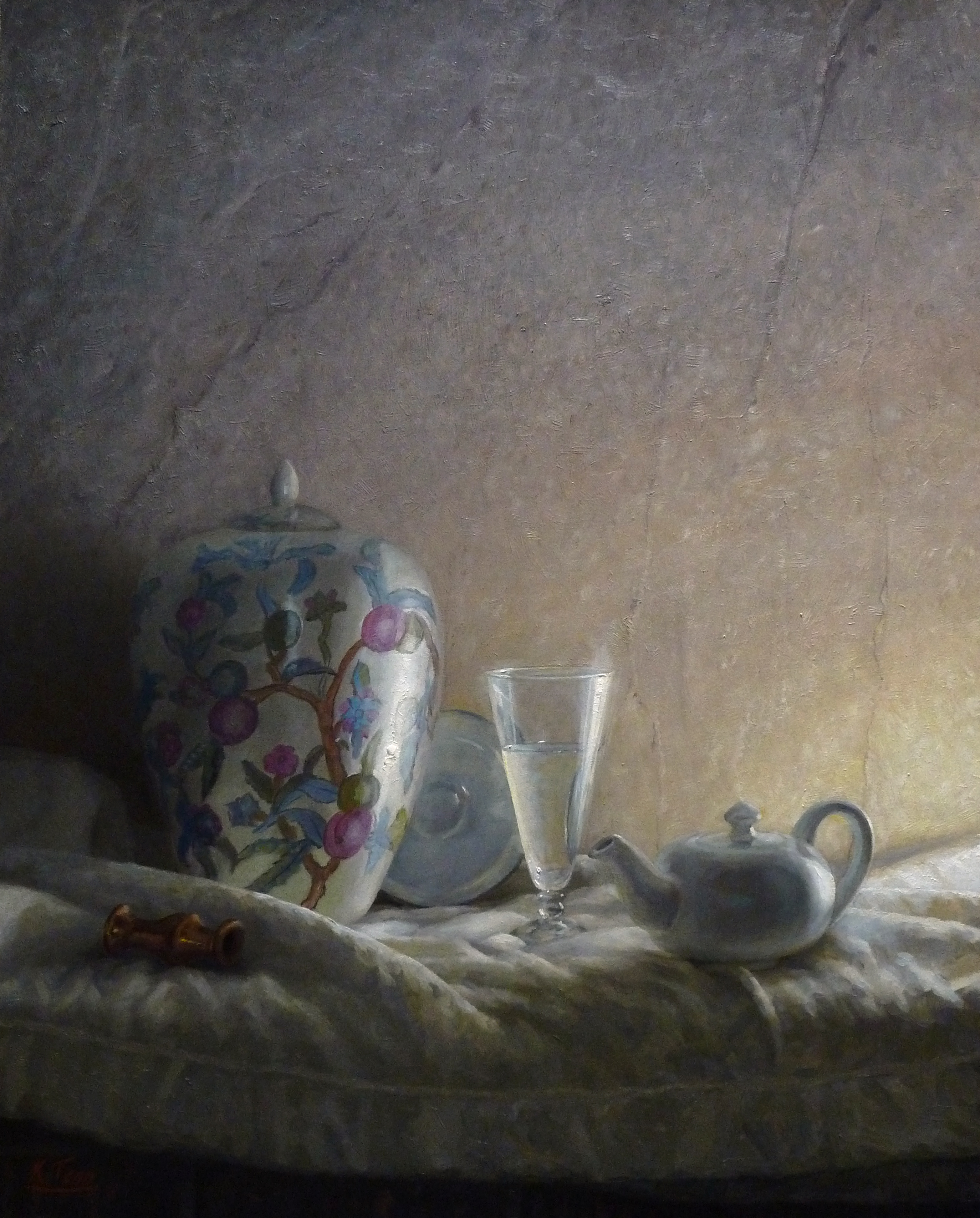
Kendric Tonn is a painter whose work explores the human figure and classical beauty through oil painting. In an age of digital art and fast creation, he commits to the slow, physical process of traditional painting. He took the time to sit down with us to discuss his thoughts on tradition, modernity, and what drives him to paint in such a painstaking manner.
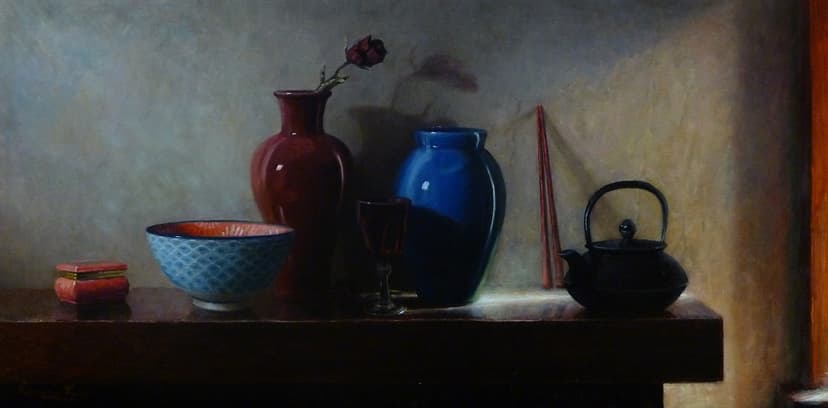
Trunkville: In an age when so much art is digital, fast, and immaterial, why commit to such painstaking, physical processes?
Kendric Tonn: It would be easy to say something about slow art, or taking the time to be present, or something of the sort, but the honest answer is that digital processes simply don't interest me. I found oil paints physically appealing—that's "appealing because of their physicality"—immediately from the first painting class I took. I like the slow process, and the different characters of different paints, and the smell of linseed oil, and everything else that goes with it. I like, at the end of the day, being able to quite literally gesture towards something and say, yep, that's what I did today.
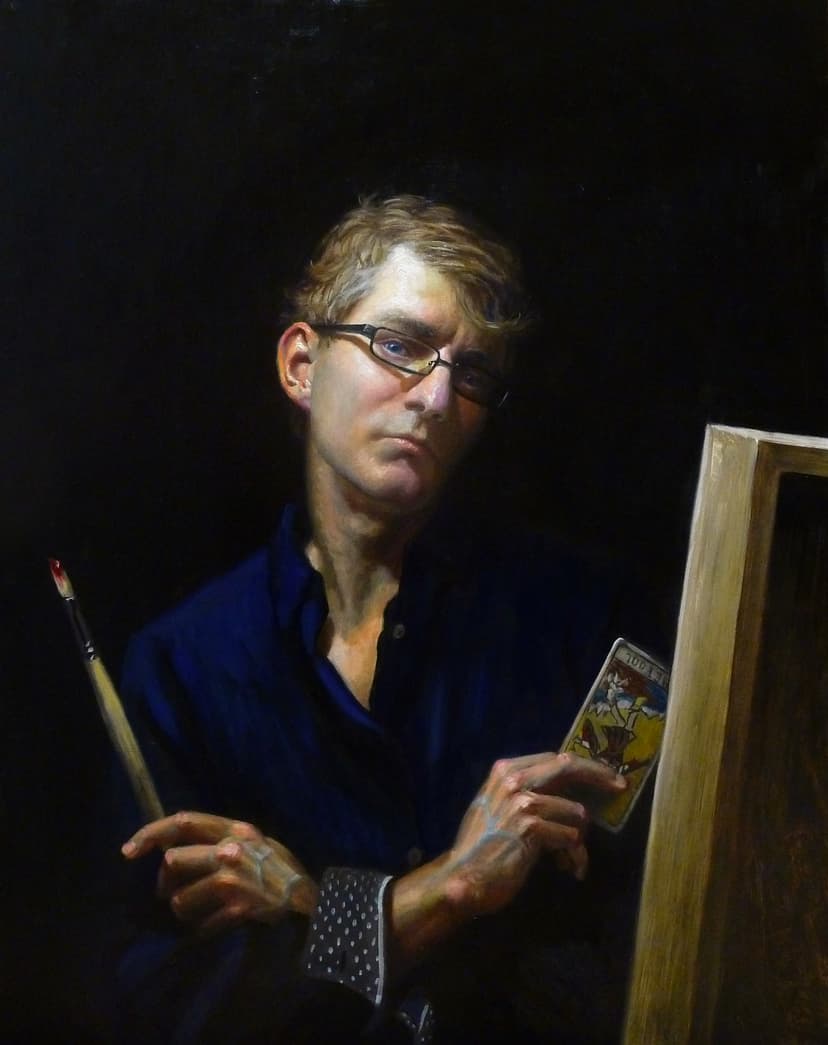
T: Do you see yourself as reviving a tradition, extending it, or resisting modernity?
KT: I was trained in a way of painting that is self-consciously 19th century in its approach, by people who very clearly considered themselves as inheritors/revivers of a tradition and as those standing against modernity, and given that, it feels a little disingenuous to disavow that entirely, but honestly, it's not something I spend much time thinking about. My life as an artist has ended up being pretty separate from both what you might call a modernist (postmodernist? Post-postmodernist, probably?) mainstream, and from the circle of those I trained with and under.
T: Can modern implementations of classical beauty extend beyond mere nostalgia?
KT: This is a freighted question, and I'll say that I think there is more than a little truth in criticisms of the Return to Trad Beauty folks, criticisms that could maybe be described as "these people are creating kitschy nostalgic superficial pastiches of movements whose time came and went, and are operating with neither sincerity nor depth." That probably even describes the majority of contemporary classical painters, or shoddy architectural gestures towards ornament, or whatever. But CAN they? I hope so.
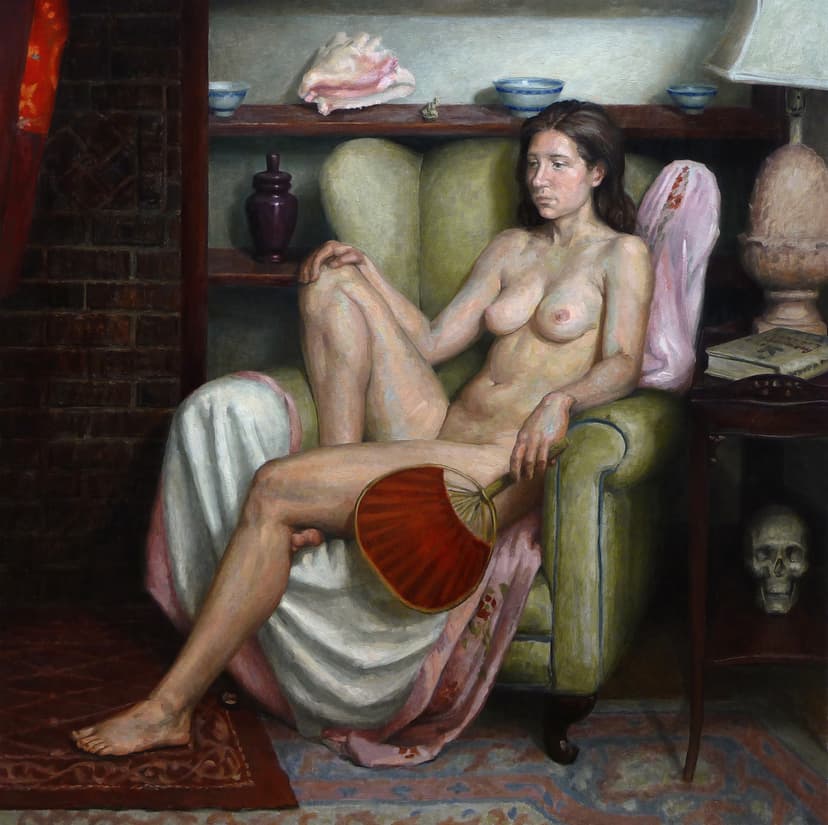
T: The human figure, especially nude, is a subject freighted with centuries of art history. What is it you're seeking in these bodies?
KT: Other people, and nudes, I think are an innately interesting subject. We're drawn to look at them, think about them, try to understand them—even the most antisocial among us, probably. I hope I'm creating some sense of connection and the awareness of another creature out there, even if not understood, acknowledged. Something with a physical and mental existence, an animal body, an aesthetic appeal, and an awareness of the world from a separate first-person perspective. Or so I'd like to think! Maybe it's all just sublimated hormones.
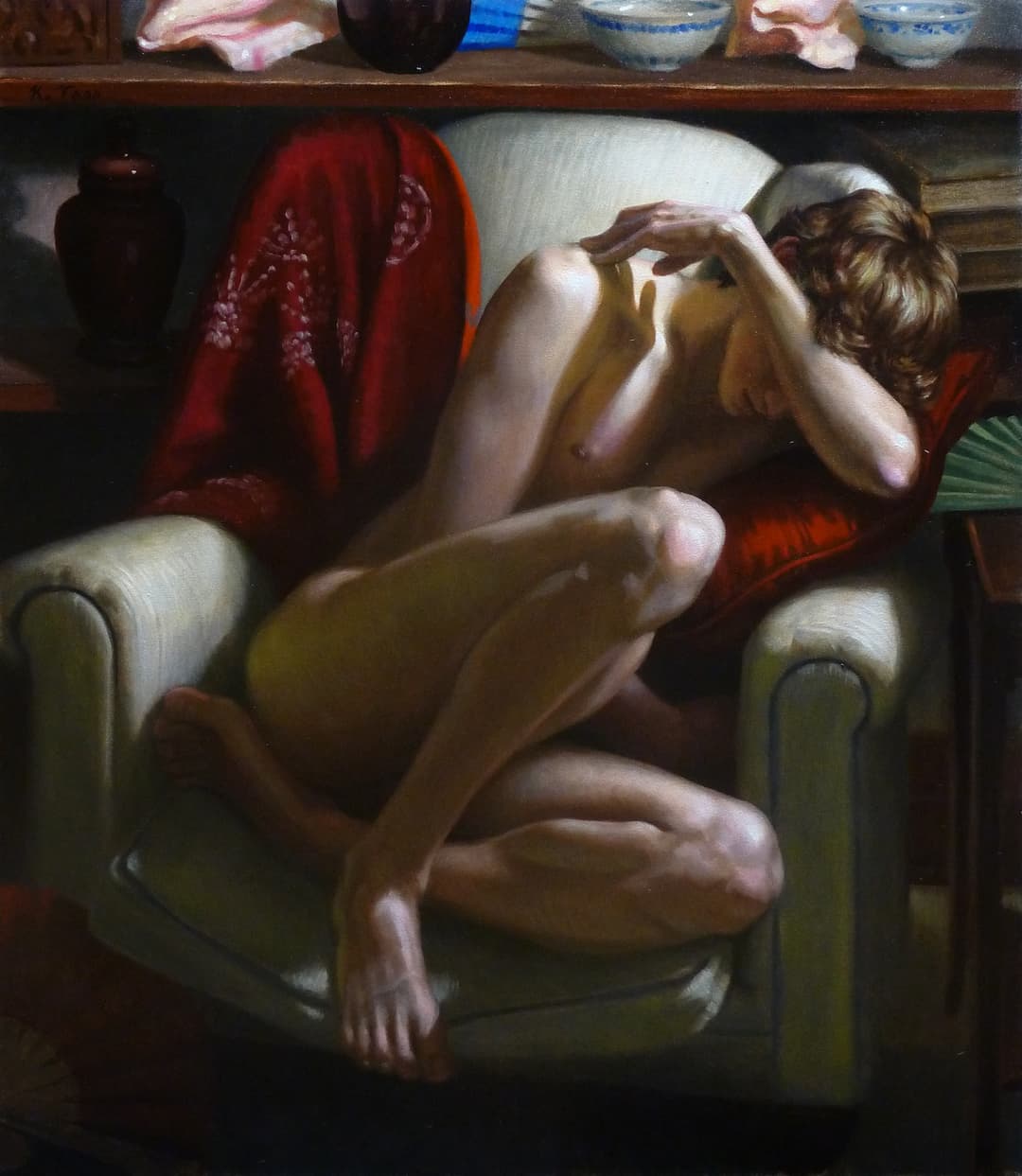
T: Is the act of painting, for you, a withdrawal from the world or a confrontation with it? How do you want your viewers to feel — contemplative, disturbed, consoled, estranged? Something else?
KT: All retreats are advances. We talk about—I certainly do, sometimes—withdrawing from the world: stop the clocks, turn off the telephone, prevent the newcasters from barking with a juicy bone. Useful as the phrase may be, though, it's obviously incoherent. I'd hope that, from time to time, I've managed to pay deep attention to something, and put it down on the paper in a way that says to the viewers, "hey, I was just a lemon, or a grimy little alleyway in Tokyo, or a mountain view or a naked body, but there was something there worth looking at."