Emiko Matsuda: The Art of Bespoke Shoemaking in London's West End
The London-based bespoke shoemaker on tradition, craftsmanship, and the art of the last

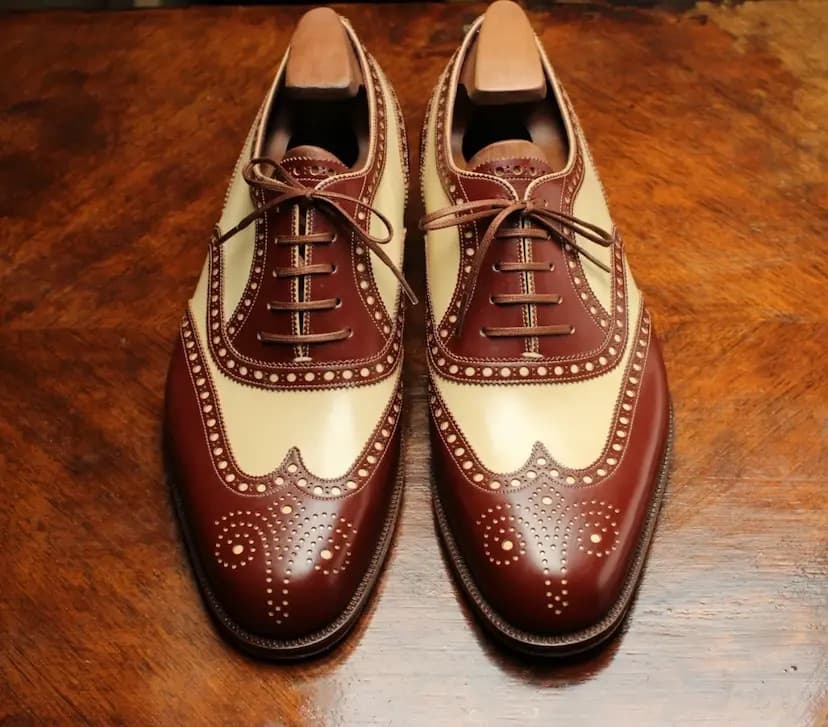
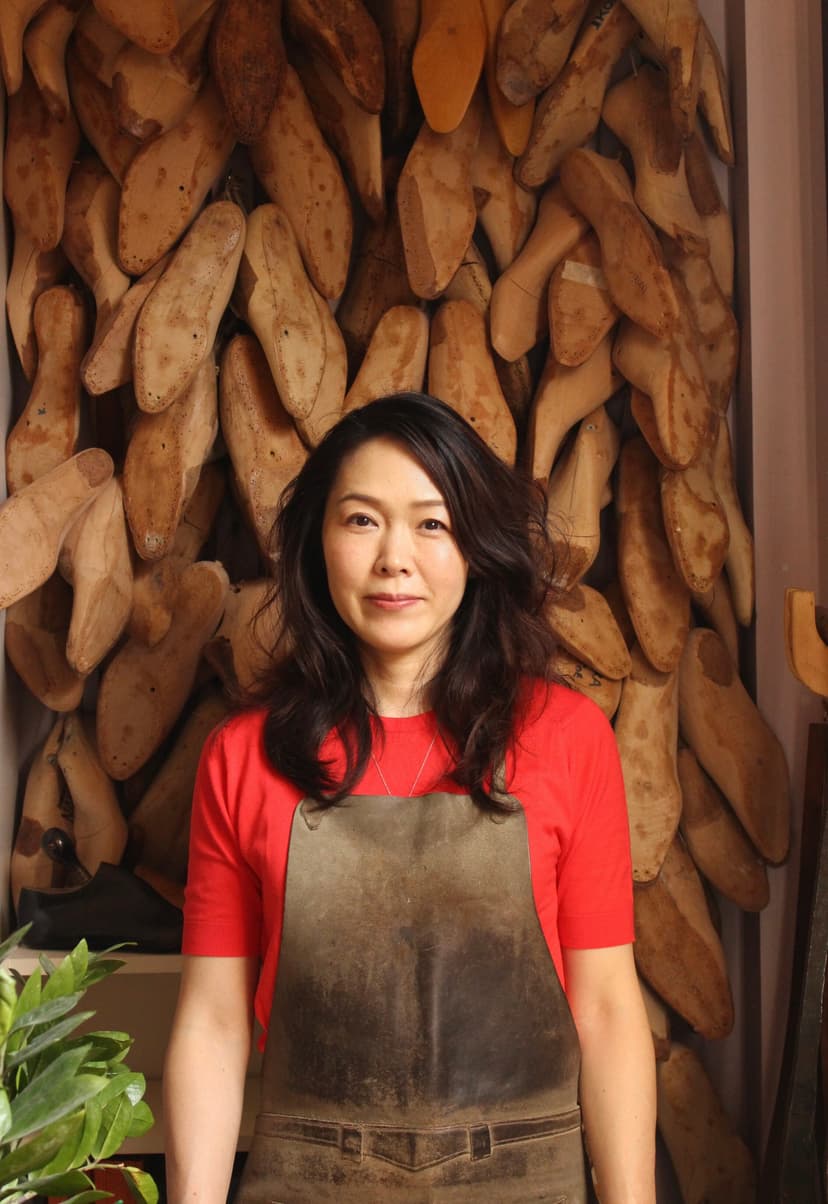
Emiko Matsuda is a bespoke shoemaker based in London. Owner, maker, and master of her craft, she took the time to sit down with us and tell us a little about her story, process, and what bespoke shoes mean in a world of impersonal, transactional, factory-made relationships.
O.W. Root: Thank you for taking the time to sit down with me. Could you tell us a little bit about your background?
Emiko Matsuda: So, I'm a bespoke shoemaker. I've been working for about 28 years. I started with an apprenticeship at a company called Foster & Son, which is now closed, unfortunately. It was on Jermyn Street in London. Over time, I became a senior lastmaker and master shoemaker, eventually managing the workshop. A year before the pandemic, I decided to leave the company and set out on my own in 2020. Today, I've been working on my own for about five years now.
OWR: How did you become interested in shoemaking?
EM: I went to Cordwainers college in Hackney when I was 22, I became interested in shoemaking and decided that I wanted to get into the craft. I learned from the legendary last maker, Terry Moore who's now retired. I trained with Terry for several years, learning every aspect of bespoke shoemaking, from lastmaking and pattern cutting to shoemaking itself, as well as the London's West End shoe trade.
It took about five years for me to feel confident that I could take on clients. But, truthfully, in shoemaking, in a way, we are all always learning. We learn new things every day.
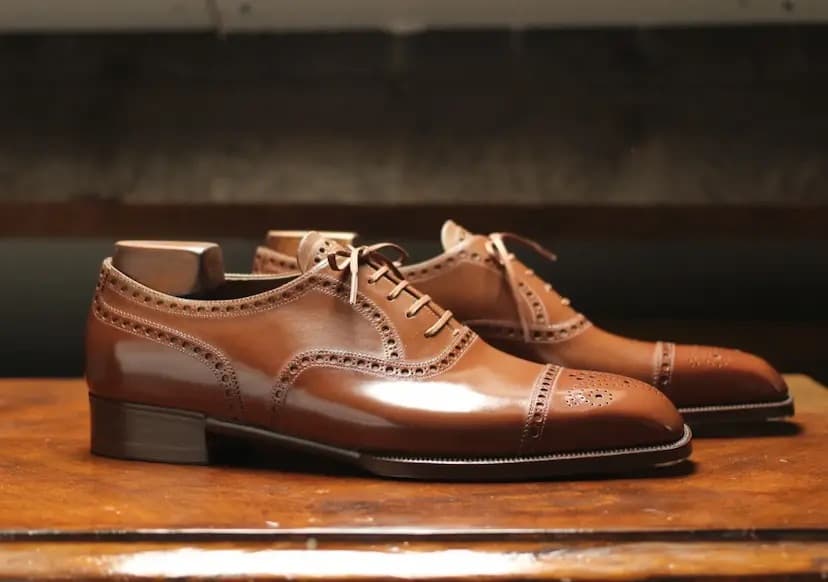
I worked with Terry for years, and actually the lastmaking bench I use, he gave to me when he retired. It's a very special bench used to make the last. Originally it came from one of the oldest companies, Peal & Co where Terry started his career. It is very, very special. It looks like some ancient furniture, but it is very unique, I am privileged to have this.
OWR: Are there other older tools you use in your work?
EM: Yes, we use a very old Singer sewing machine. Some like that which we use are over 100 years old today. I use other old shoemaking tools as well. They have been passed down over the years from old shoemakers who have died. Over my time working, I've been given lots of very old shoemaking tools. Tools that are often centuries old. It's a tradition that is handed down and one day, my tools will be handed down.
OWR: Can you tell me a bit about your shoemaking process?
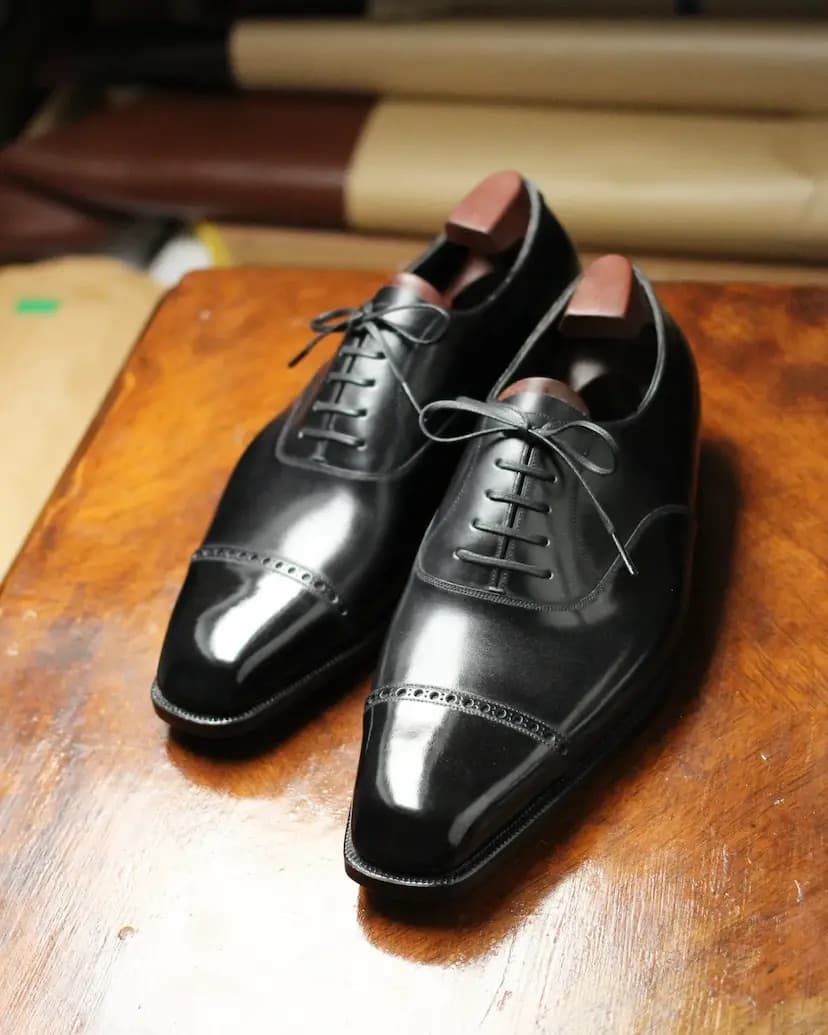
EM: We start from ground zero. First, we take measurements of a client's foot. Nothing is based on off-the-rack standard sizing. We do all precise personal measurements, then we make the wooden last. It's a very traditional method that I do. In this part of the process everything is made by hand. We don't use any modern equipment. The very old Singer sewing machine is the most modern thing we use.
Once the last is made, I cut paper patterns on it. a crucial step as it determines the final look of the shoes. Then the uppers are closed based on the patterns. Then both the lasts and uppers are ready, the bottom making begins. Uppers are pulled over the last and hand-welted with linen threads, which I twist and wax individually by hand, using a blend of pine resin, tar and beeswax. (Every shoemaker has their own recipe for this).
Soles are stitched about 12 stitches per inch by hand. The shoes need to be sat on the last for at least 2 to 3 weeks to mould into the shape before removing the last for shoe trees. Every step of the process is done the traditional way, in the spirit of slow craft — with patience, precision, and complete respect for the craft.
OWR: How long does it take to make a pair of bespoke shoes?
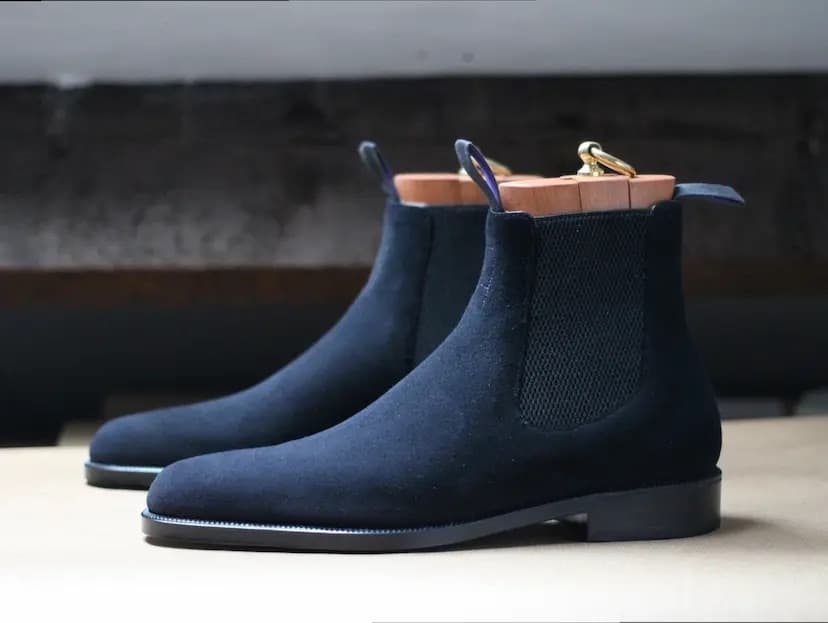
EM: Technically you can do it within maybe two to three weeks. But that's not how quickly they are really made. We've got backlogs and multiple shoes to make for multiple clients. And, you know, it takes time because sometimes when you put a leather onto the last, you have to let it sit for a certain amount of time. Usually I tell clients to expect a timeline of 8 to 12 months, though sometimes it can take longer.
OWR: I assume you must have a very close relationship with your clients. Could you tell us a little bit about that relationship and how it's unique in a world of impersonal interactions?
EM: When it comes to bespoke shoes, it's not like a customer comes in, tries them on and walks out that day. It's a long-term relationship that we have. I've known some clients for a long, long time. I've known clients as they have changed jobs, when they have gotten married, change in their body/ foot shape or when they retire, and even when they sometimes pass away..
I always aim to get to know the client's tastes and lifestyle and needs over time, and to continue making shoes that suit them at every stage of life.
OWR: What do you love about your work?
EM: I love the craft of shoemaking. It's a traditional craft that hasn't changed much in over 150 years in England. Creating a pair of shoes entirely by hand is something I truly enjoy. Every step of the process fascinates me, especially working intimately with leather, shaping the wood and connecting closely with someone's feet. Nowadays, technology can copy foot shapes precisely, but it can't capture the feeling, the subtle sensations that make a shoe comfortable. That fine line between comfort and pain is very small, and even little things like the thickness or seams of socks can change the fit. Feet can even swell or change during the day. Bespoke shoes are made to fit like gloves, and every pair is unique. That attention to detail and personal connection is what makes this work so rewarding.
OWR: If you could sum up your work in bespoke shoemaking in a few words, what would they be?
EM: It's the harmony of beauty, functionality, and craftsmanship.